
A detailed resource for home gardening that provides practical information and expert insights, perfect for newcomers and veteran gardeners alike.
Benefits of Home Gardening
Home gardening offers multiple physical, mental, and environmental benefits. One of the biggest advantages is access to fresh, chemical-free vegetables and fruits. Growing your own food ensures better nutrition and taste.
Gardening also reduces stress and anxiety. Spending time with plants improves mood and mental clarity. Additionally, home gardening improves air quality, supports biodiversity, and helps reduce your carbon footprint.
Types of Home Gardening
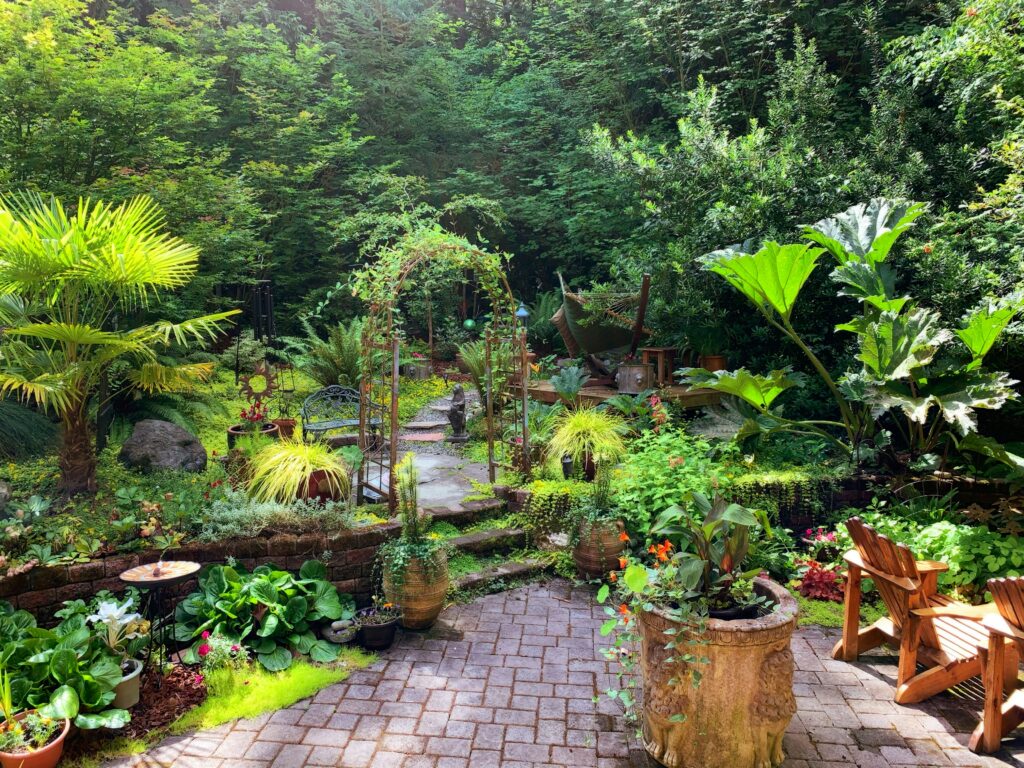
There are different types of home gardening based on space, climate, and personal preference.
Container Gardening
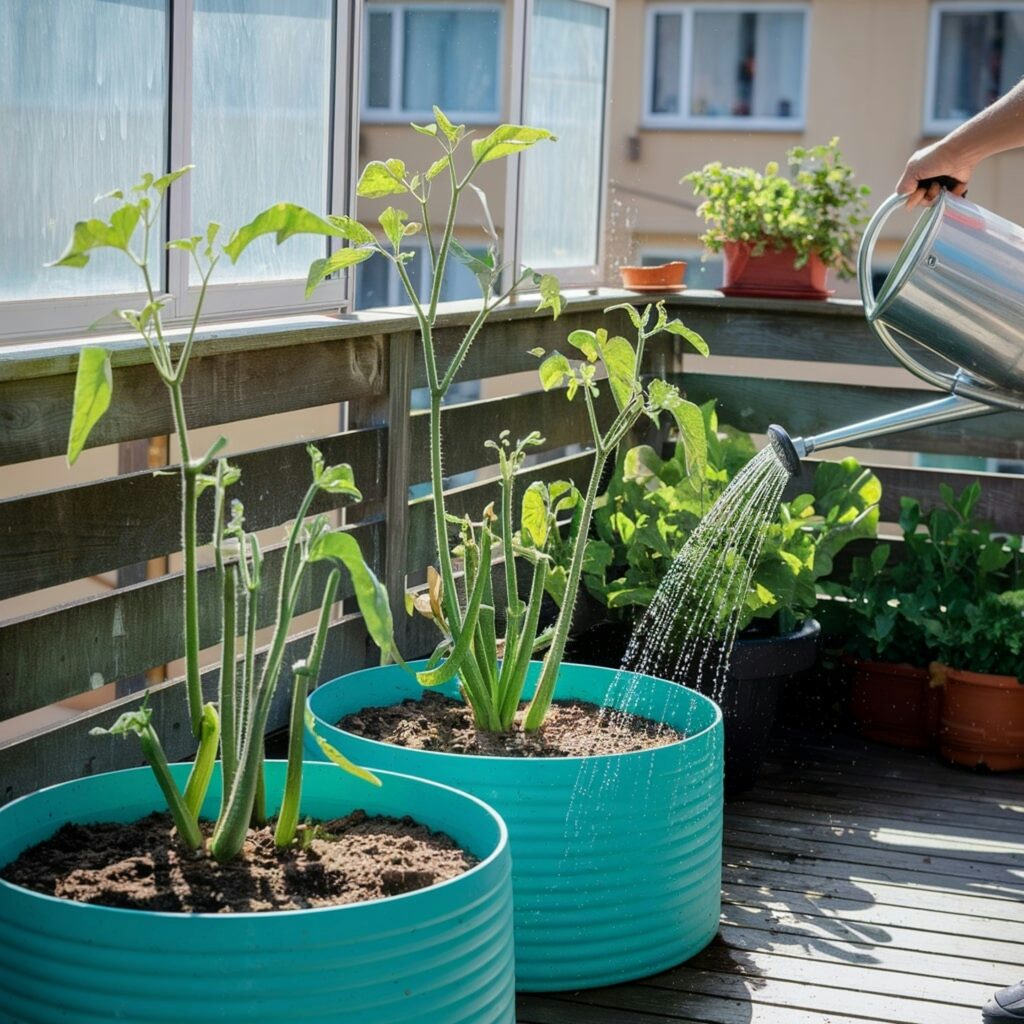
Container gardening is ideal for apartments and small homes. Plants are grown in pots, buckets, or grow bags. This method allows flexibility and easy movement of plants.
Kitchen Gardening
Kitchen gardening focuses on growing herbs, vegetables, and fruits for daily use. Common plants include tomatoes, chilies, mint, coriander, and spinach.
Vertical Gardening
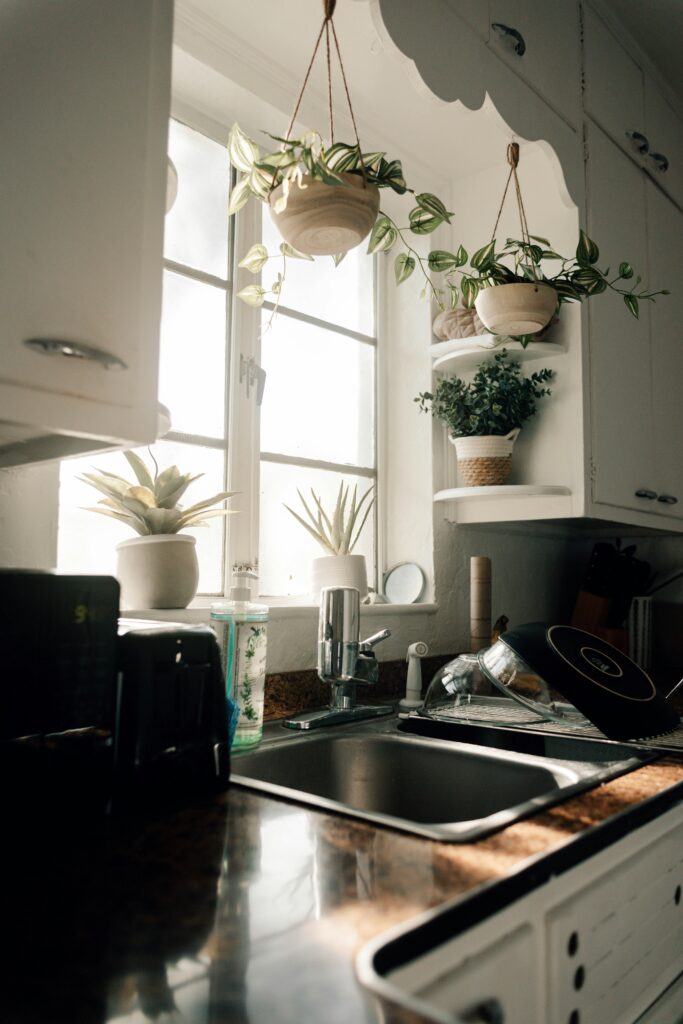
Vertical gardening uses walls, shelves, or hanging systems to grow plants upward. It is perfect for limited spaces and adds a decorative touch to your home.

Terrace Gardening
Terrace gardening transforms rooftops into green spaces. With proper waterproofing and sunlight, terraces can support vegetables, flowers, and even small fruit plants.
Choosing the Right Location for Home Gardening
The success of home gardening depends largely on location. Most plants require 5–7 hours of sunlight daily. Choose a spot near windows, balconies, or rooftops with good air circulation.
Ensure easy access to water and protection from extreme weather conditions. Proper drainage is essential to prevent root rot and plant diseases.
Soil Preparation for Home Gardening
Healthy soil is the foundation of successful home gardening. Use well-draining soil rich in organic matter. A mix of garden soil, compost, and coco peat works well for most plants.
Adding natural compost improves soil fertility and supports beneficial microorganisms. Avoid using chemical fertilizers excessively, as they can damage soil health over time.
Essential Tools for Home Gardening
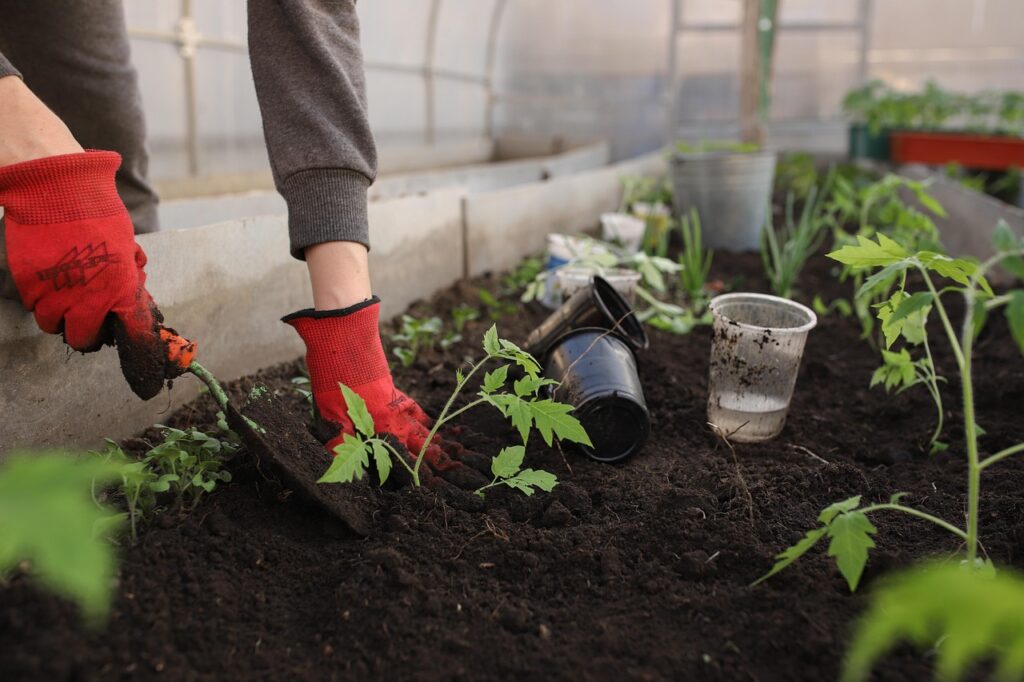
You do not need expensive tools to start home gardening. Basic tools include a hand trowel, watering can, pruning scissors, gloves, and plant pots.
As your garden grows, you may add tools like sprayers, soil testers, and support sticks. Keeping tools clean helps prevent the spread of plant diseases.
Selecting Plants for Home Gardening
Choosing the right plants ensures better growth and higher success rates. Beginners should start with easy-to-grow plants such as basil, mint, aloe vera, money plant, tomatoes, and chilies.
Select plants according to your local climate and season. Native plants usually grow better and require less maintenance.
Watering Tips for Home Gardening
Proper watering is crucial in home gardening. Overwatering can damage roots, while underwatering can cause wilting. Water plants early in the morning or evening to reduce evaporation.
Check soil moisture regularly. Different plants have different water needs, so adjust watering schedules accordingly.
Organic Fertilizers for Home Gardening
Using organic fertilizers keeps your garden healthy and eco-friendly. Compost, vermicompost, cow dung manure, and kitchen waste compost are excellent options.
Liquid fertilizers like compost tea and banana peel water provide quick nutrients. Organic methods improve soil structure and long-term plant health.
Pest Control in Home Gardening
Pests are common in home gardening, but chemical pesticides should be avoided. Natural pest control methods are safer and effective.
Neem oil spray, garlic solution, and soap water help control insects naturally. Regular inspection of plants prevents pest problems from spreading.
Seasonal Care and Maintenance
Home gardening requires seasonal care. In summer, protect plants from heat stress by mulching and shading. During winter, reduce watering and protect plants from frost.
Regular pruning encourages healthy growth and better airflow. Removing dead leaves and weak branches keeps plants strong and disease-free.
Common Mistakes in Home Gardening
Many beginners make common mistakes such as overcrowding plants, poor drainage, and inconsistent watering. Avoid using low-quality soil and ignoring sunlight requirements.
Patience is key in home gardening. Plants take time to grow, and learning from mistakes helps improve gardening skills.
Home Gardening for Mental and Physical Health
Home gardening is a natural therapy. It promotes physical activity, improves hand strength, and boosts immunity. Gardening also enhances focus, creativity, and emotional well-being.
For families, home gardening is a great way to teach children responsibility and environmental awareness.
Sustainable Living Through Home Gardening
Home gardening supports sustainable living by reducing food waste and plastic use. Composting kitchen waste closes the nutrient cycle and benefits the environment.
Growing plants at home encourages water conservation and responsible consumption, making your lifestyle greener and healthier.
Conclusion
Home gardening is a simple yet powerful way to improve your quality of life. With proper planning, care, and patience, anyone can create a beautiful and productive garden at home. Whether you grow vegetables, herbs, or flowers, home gardening brings freshness, peace, and sustainability into your daily life. Start small, stay consistent, and enjoy the joy of growing your own green space. 🌱
Leave a Reply